
The Half-Island Dilemma: Why Buying Property on the “Wrong” Side of St. Maarten Could Cost You
For tourists, the island’s open border is a charming novelty. For real estate buyers, it’s a high-stakes financial minefield
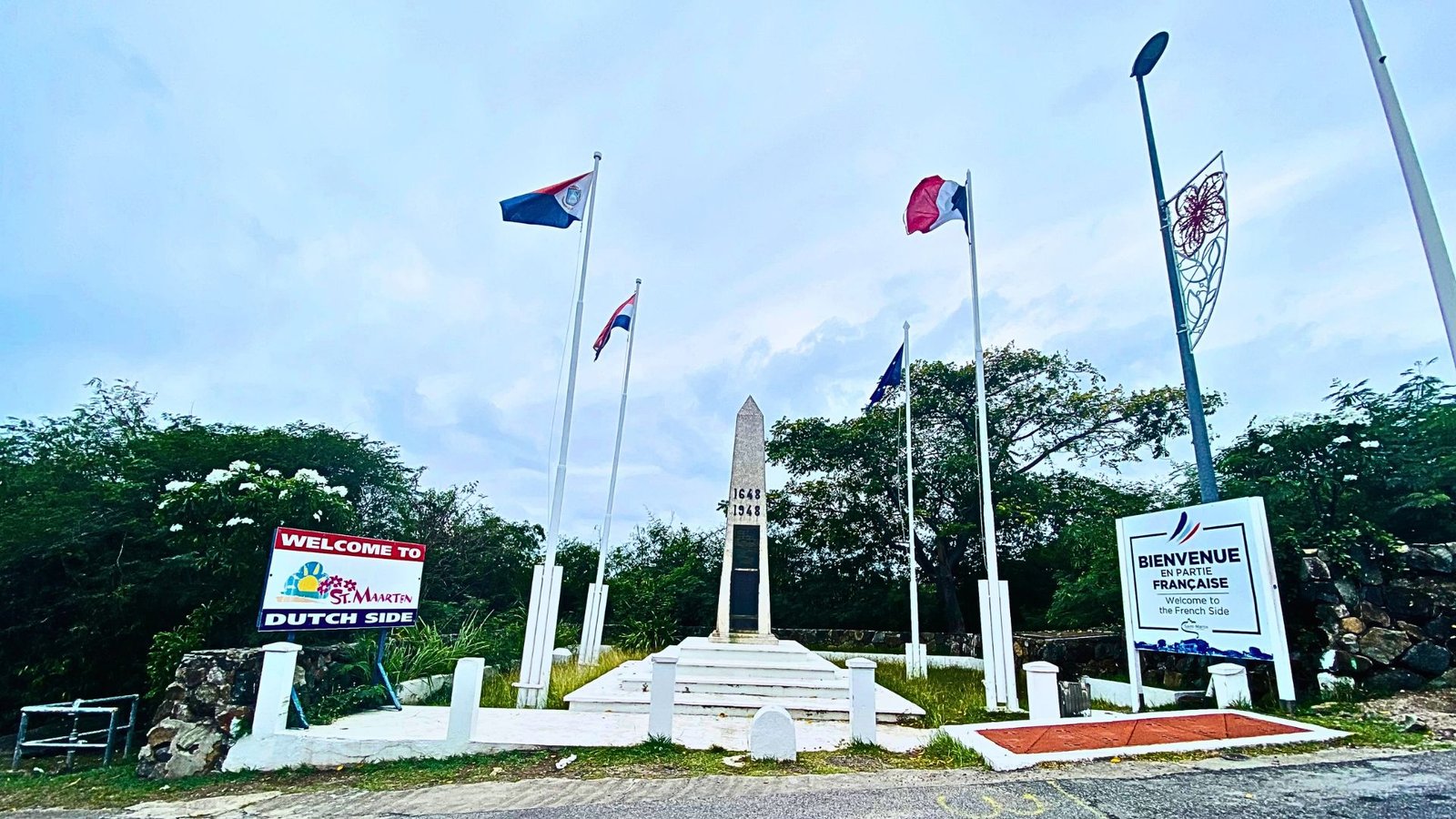
When people think about buying a piece of paradise in St. Maarten/Saint Martin, they usually picture the exact same thing: turquoise waters, warm Caribbean breezes, and a tax-friendly lifestyle. They view the open border between the French and Dutch sides as a charming novelty.
But if you are looking to buy real estate, treating this island as one seamless paradise is a massive financial mistake.
The 37 square miles of this island operate on entirely different legal frameworks, tax codes, and philosophical approaches to property. Choosing the “wrong” side isn’t just a matter of whether you prefer baguettes or casinos—it can quietly cost you thousands in unexpected taxes or leave you with zero legal protection.
Let’s take a closer look at one of the most important differences in St. Maarten / St. Martin real estate: how the French and Dutch sides differ when it comes to property ownership.
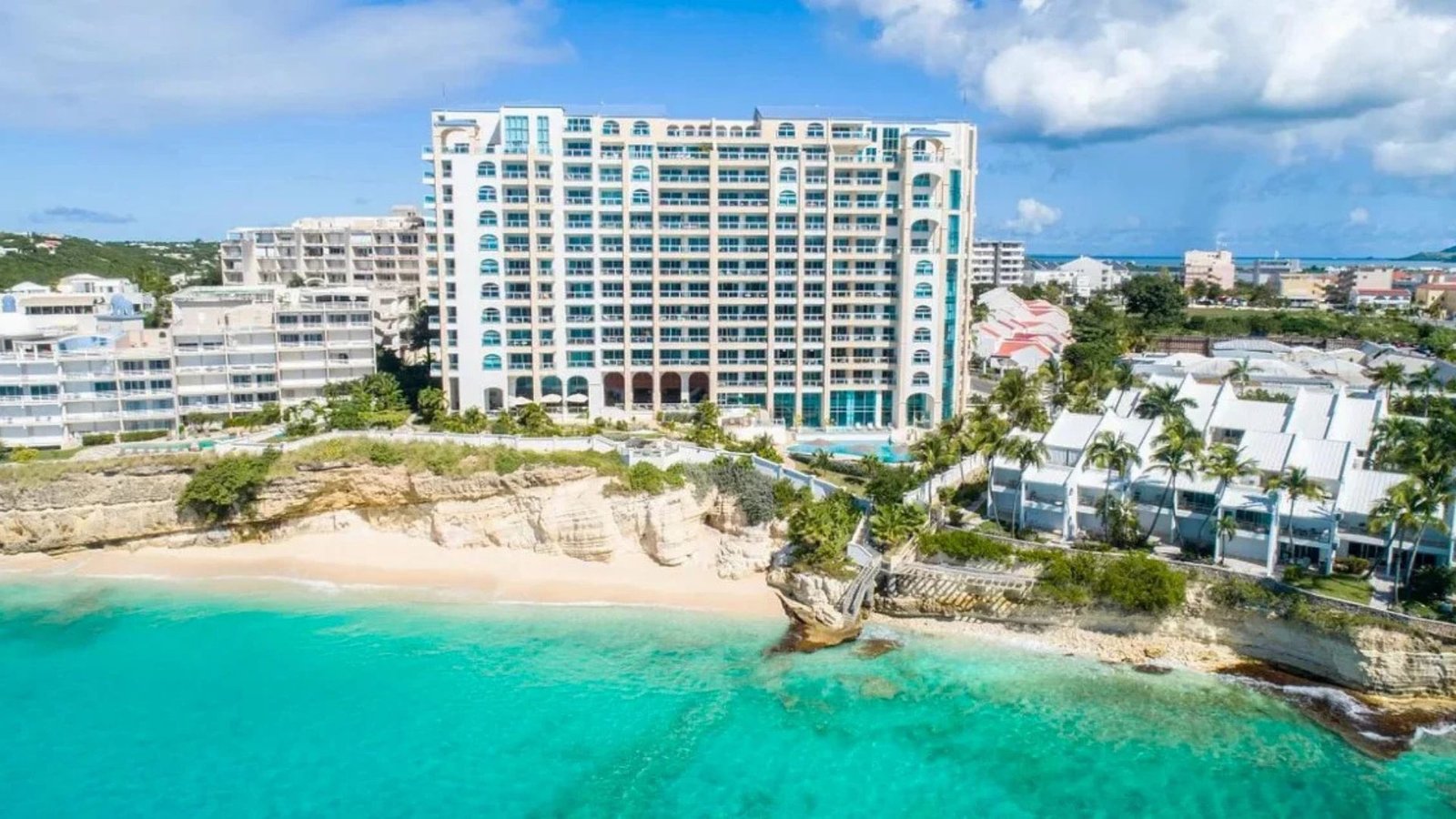
The Dutch Side: Different Advantages, Different Considerations
For buyers and investors, the Dutch side offers a distinct legal and fiscal environment, along with its own approach to property ownership and development.
- The Financial Picture: Sint Maarten has a different tax structure from many North American markets. Buyers should look beyond the purchase price and consider transfer tax, property-related taxes, rental income, and the specific tax treatment that applies to their circumstances.
- Ownership Structures: Some investors use legal structures such as a Private Fund Foundation (SPF) to hold assets. These structures can serve legitimate estate-planning and asset-structuring purposes, but they are not a substitute for professional legal and tax advice, and ownership structures remain subject to applicable disclosure and compliance requirements.
- The Planning Reality: Development on the Dutch side is governed by zoning, development plans, and permitting requirements. While some areas allow significant development, what can be built next to an existing property depends on the applicable planning rules, permits, and the specific location.
The takeaway? The Dutch and French sides offer different opportunities and considerations. Understanding those differences before buying is just as important as finding the right property.
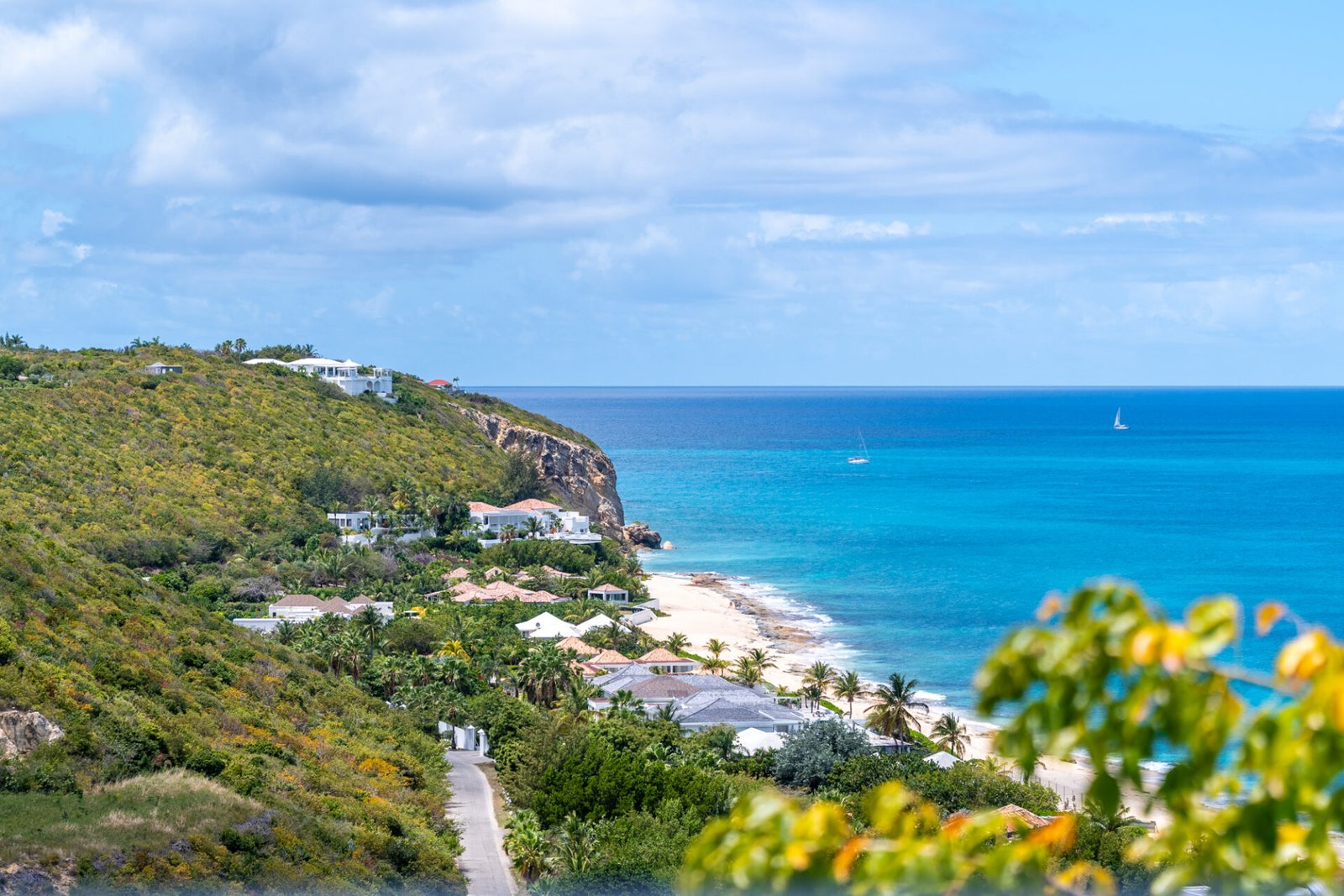
The French Side (Saint Martin): The Elegant, Controlled Euro-Haven
The French Side: Different Rules, Different Protections
The French side operates under a French legal and planning framework, with its own local tax system and development rules.
- Planning: Building height, density and land use are regulated by local planning rules, which can limit development in certain areas and help preserve the character of established neighborhoods.
- Buyer Protection: Qualifying pre-construction purchases under France’s VEFA framework require a financial guarantee of completion or, where applicable, reimbursement. If a developer becomes unable to complete the project, the guarantee provides a mechanism to protect the buyer and fund completion.
- The Tax Reality: Saint-Martin has its own tax system, distinct from metropolitan France. Property owners can face local property taxes, including taxe foncière, while transaction and other taxes depend on the property and buyer’s circumstances.
The result is a more formal, highly structured purchasing process—with protections and obligations buyers should understand before signing.
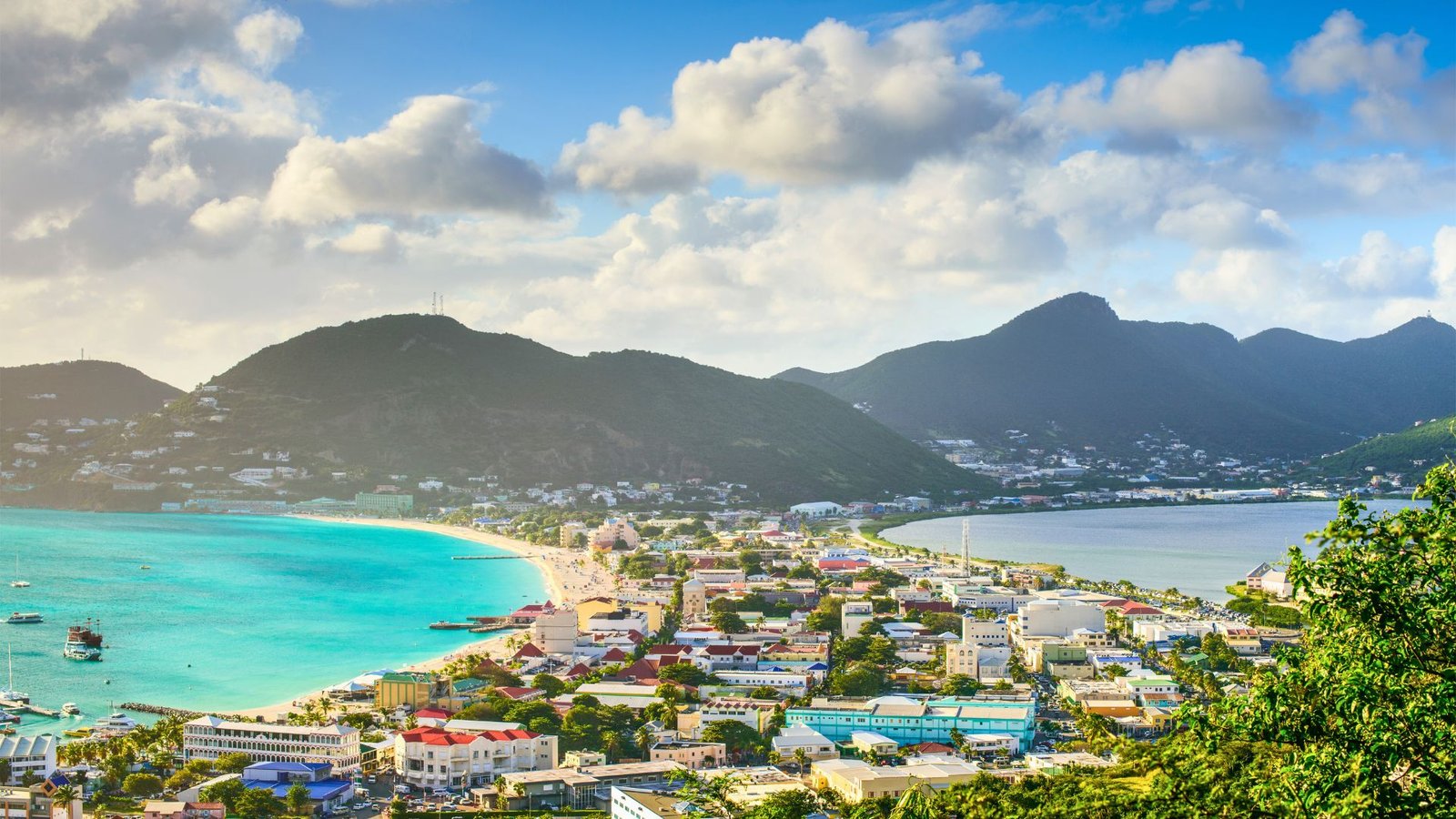
The Ultimate Truth: Which Side Wins?
The “best” side depends entirely on your goals:
- Choose the Dutch Side if you want maximum rental yields, zero ongoing taxes, a booming nightlife scene, and you don’t mind a fluid, rapidly changing development landscape.
- Choose the French Side if you are looking for long-term lifestyle stability, iron-clad construction guarantees, and you view paying a local property tax as a fair price to pay for a permanently protected view.
Before you browse another listing, ask yourself: Are you looking for the financial freedom of the Dutch side, or the structural protection of the French side?
Contact our cross-border real estate team today to look at the numbers and find the perfect fit for your portfolio.