
What $500K, $1M & $2M Buys in St Maarten Right Now
From condos to luxury villas across the island
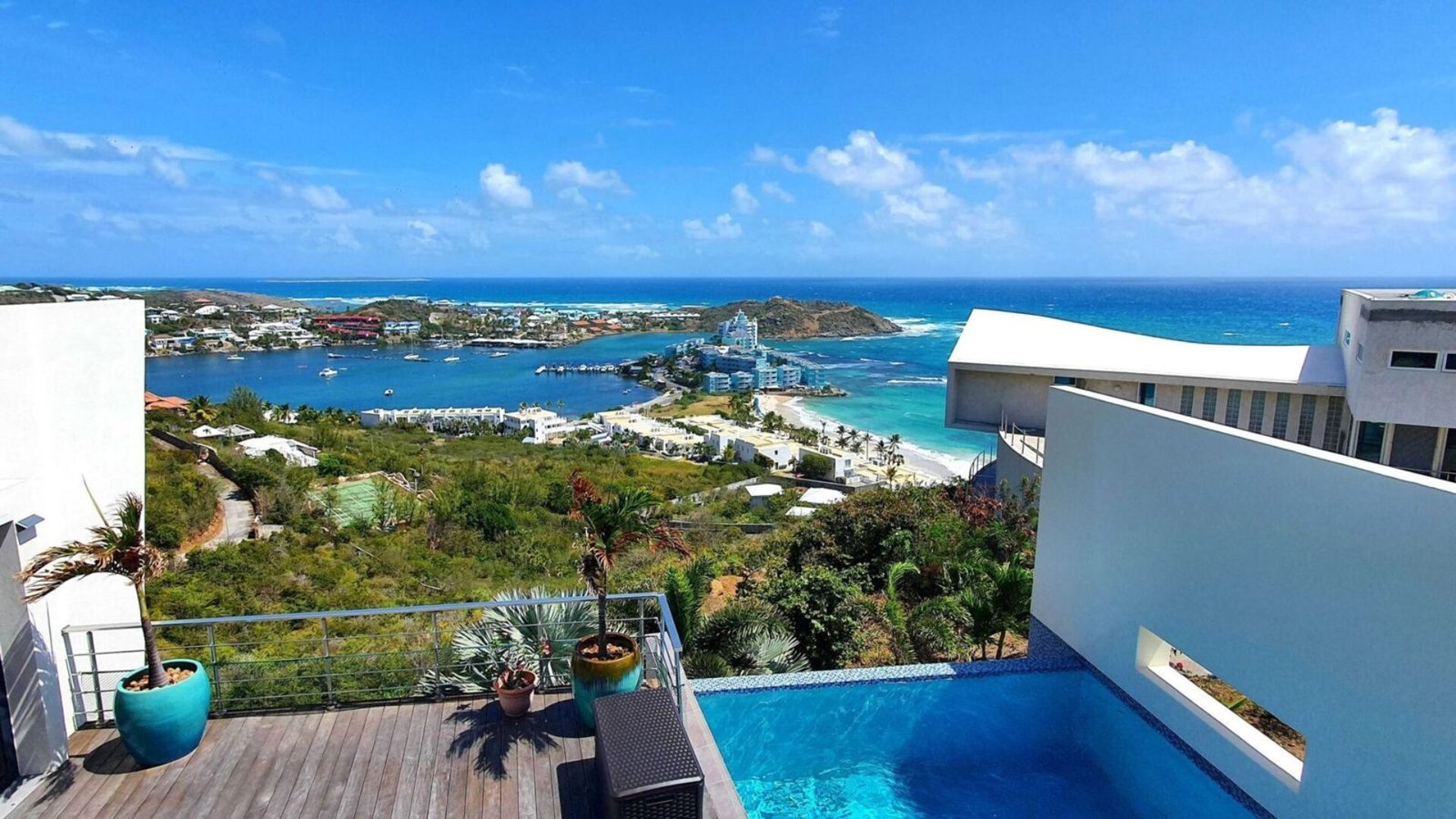
St. Maarten offers one of the most diverse real estate markets in the Caribbean, where budget directly shapes lifestyle, location, and investment potential.
Whether you’re entering the market at around $500,000 or looking at multi-million-dollar luxury estates, each price tier opens a very different version of island living.
Here’s a clear breakdown of what buyers can realistically expect right now.
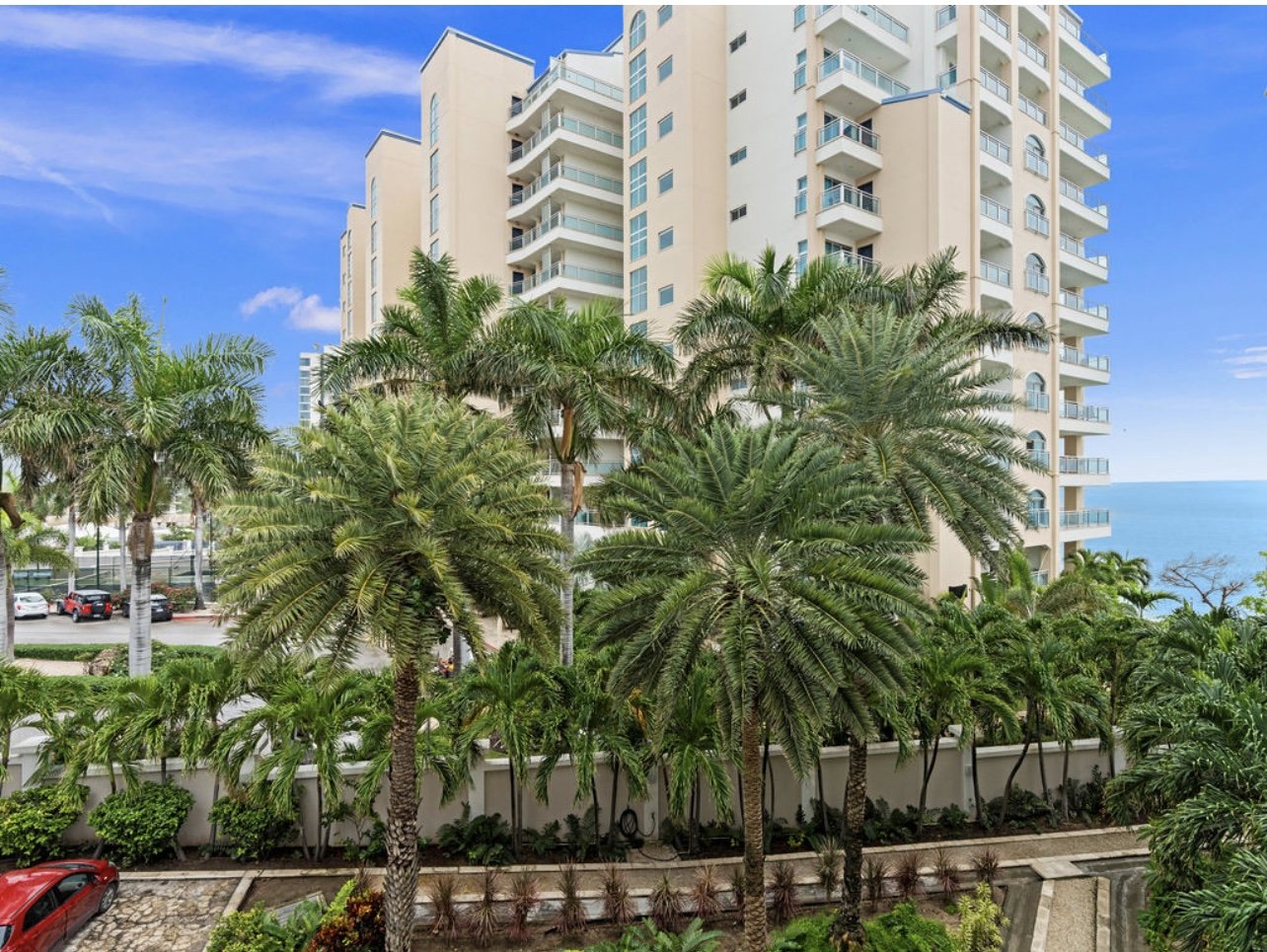
Around $500,000 — Entry to Prime Island Living
At the $500,000 level, buyers are typically entering the condo and apartment market in well-located areas.
This range often includes:
- 1–2 bedroom modern condos
- Partial or full ocean views
- Access to pools and shared amenities
- Walkable locations near restaurants and beaches
Popular areas include Simpson Bay, Cupecoy, and parts of Pelican Key.
This price point is especially attractive for:
- First-time Caribbean investors
- Short-term rental income buyers
- Lock-and-leave vacation homes
It’s the most accessible way to own in a strong rental market without stepping into full villa pricing.
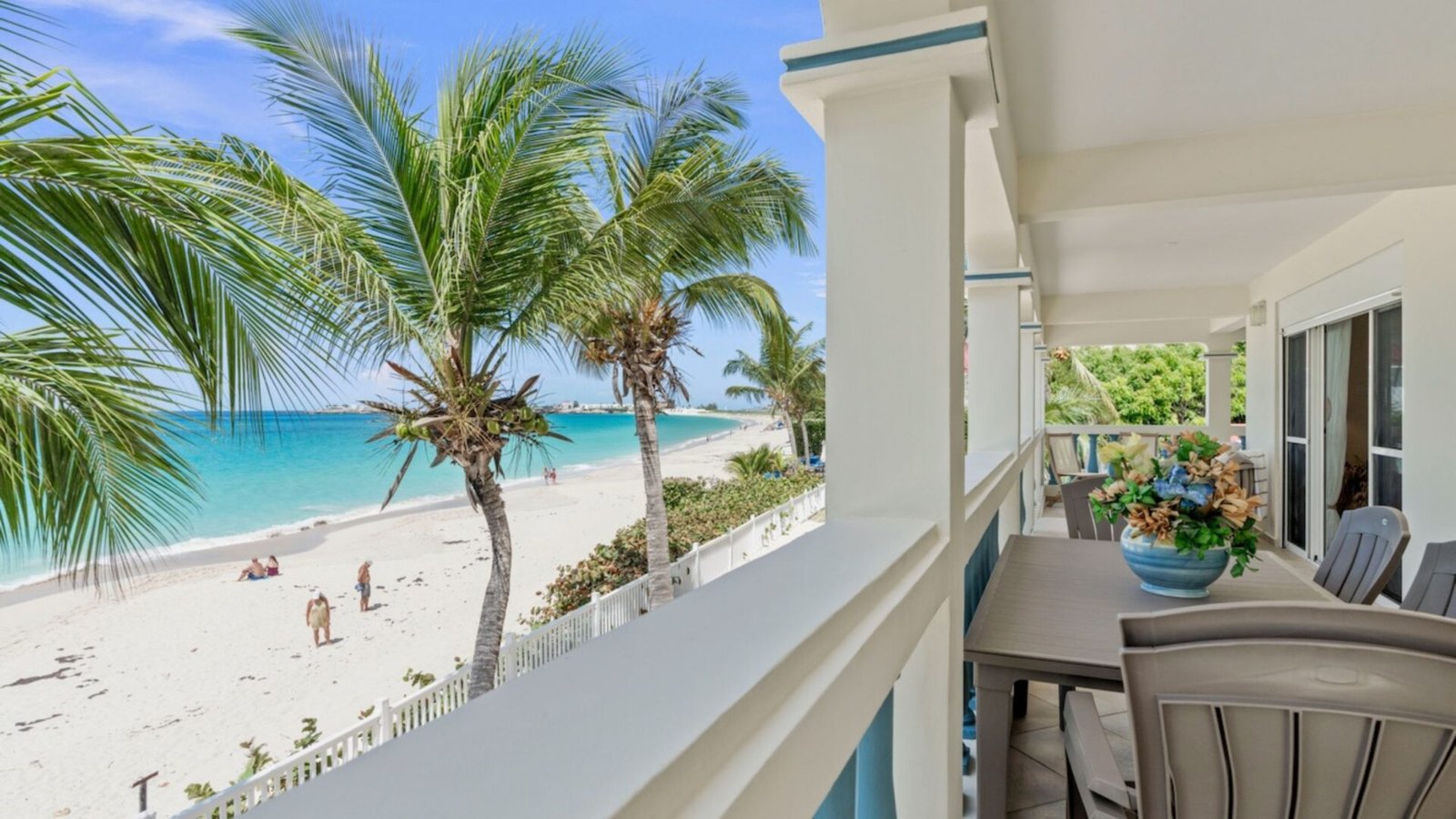
Around $1 Million — Lifestyle + Investment Balance
At around $1 million, the market opens up significantly.
Buyers can expect:
- Larger condos or penthouses
- 2–3 bedrooms with upgraded finishes
- Strong ocean or marina views
- Premium buildings with resort-style amenities
This is where lifestyle and investment start to merge.
Areas like Cupecoy, Simpson Bay, and Indigo Bay dominate this range, offering strong rental appeal and higher-end tourism demand.
For many buyers, this price point becomes the “sweet spot” between luxury and income potential.
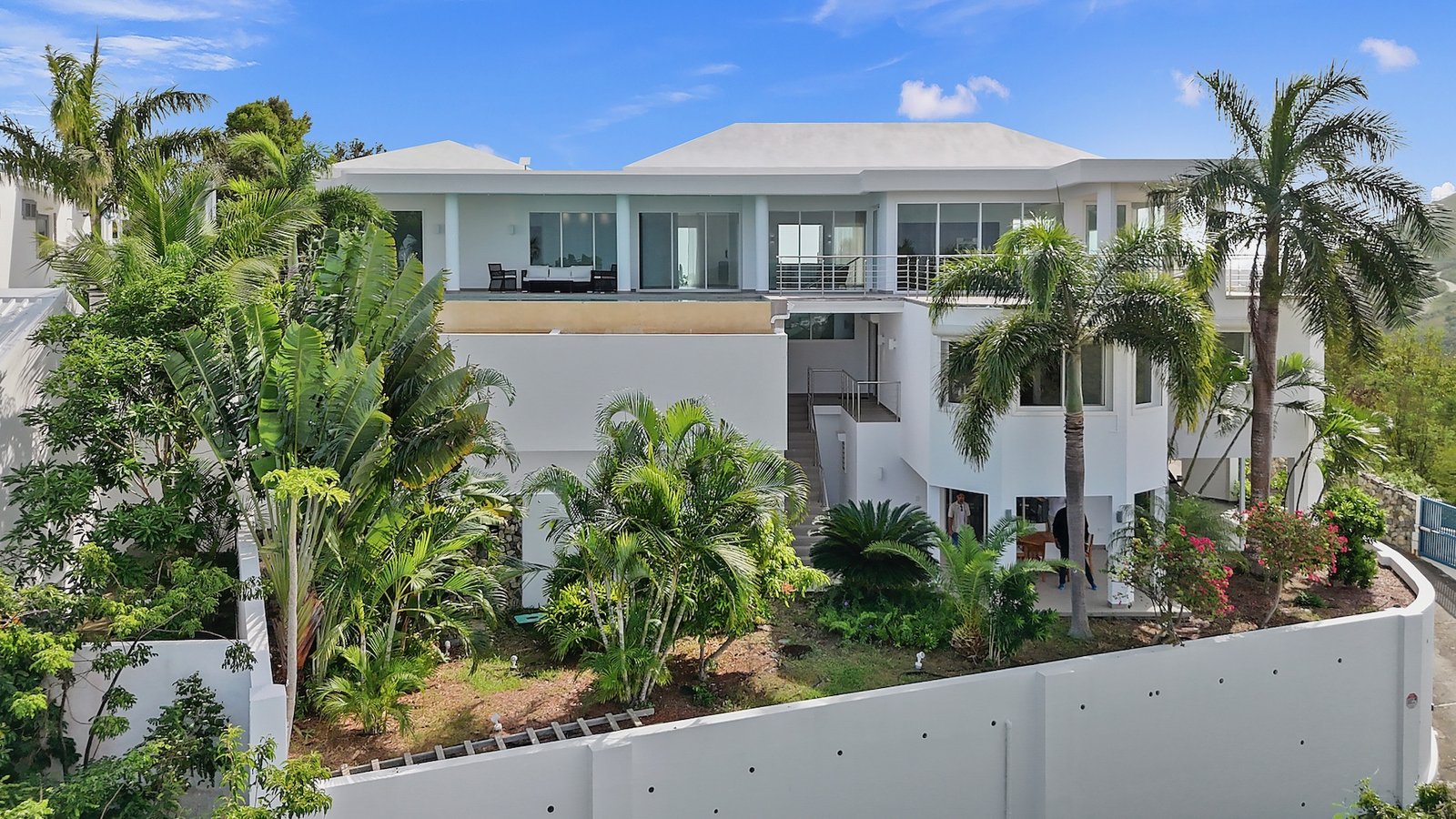
Around $2 Million — Luxury Villas & Prime Real Estate
At the $2 million level, St. Maarten transitions into true luxury Caribbean living.
This tier typically includes:
- Private villas or high-end penthouses
- Multiple bedrooms and ensuite bathrooms
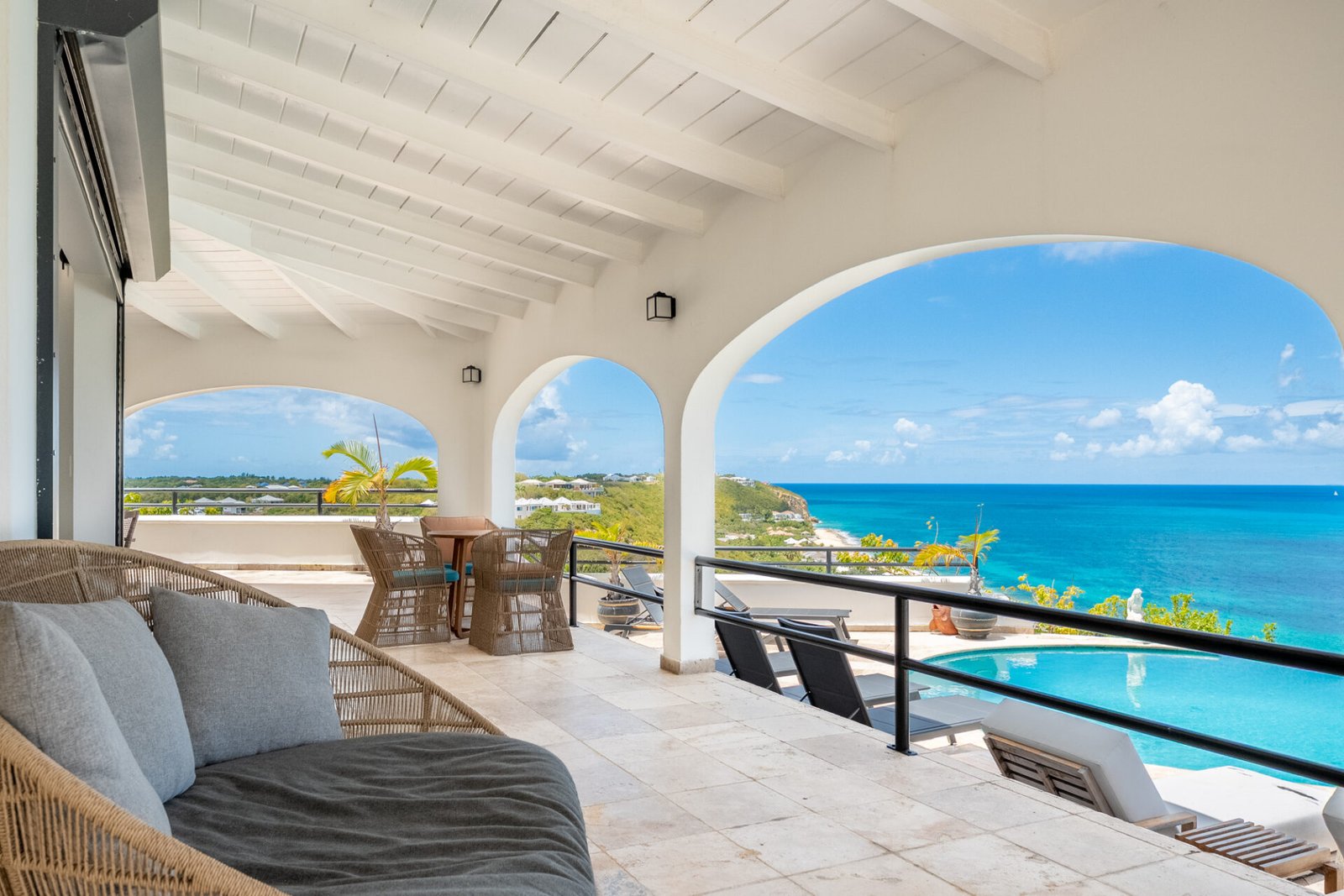
- Expansive terraces and infinity pools
- Panoramic ocean or hillside views
- Strong privacy and exclusivity
Key areas include Terres Basses, Indigo Bay, Oyster Pond, and select beachfront or hillside enclaves.
At this level, buyers are not just purchasing property — they are buying:
- privacy
- space
- prestige
- and long-term lifestyle value
The Reality of the Market
Unlike larger international markets, St. Maarten has a limited supply of prime coastal land, which keeps demand consistently strong across all price ranges.
According to local market data and listings across the island, well-positioned properties continue to attract both lifestyle buyers and international investors looking for stable Caribbean assets.
Each price bracket serves a different strategy:
- $500K → entry + rental income
- $1M → balance of lifestyle + returns
- $2M → luxury + long-term ownership
Final Thought
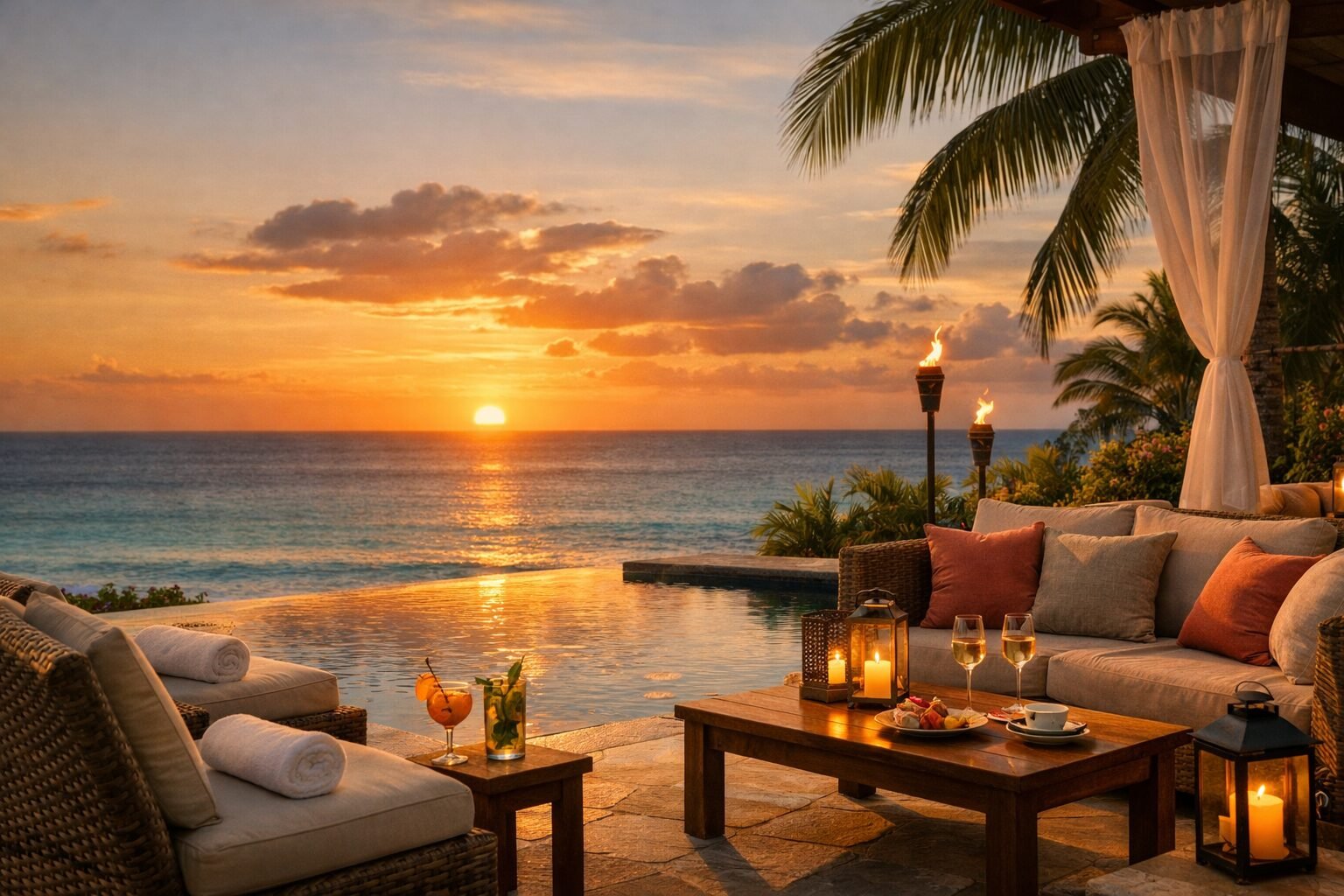
In St. Maarten, budget doesn’t just determine what you buy — it determines how you experience the island.
From walkable beach condos to private hillside villas, every tier offers a completely different version of Caribbean living.
The key is choosing the one that aligns with both your lifestyle goals and investment strategy.